


-

Add: HeBei ShengShi HongBang Cellulose Technology CO.,LTD.
-

Email
13180486930@163.com -

CONTACT US
+86 13180486930
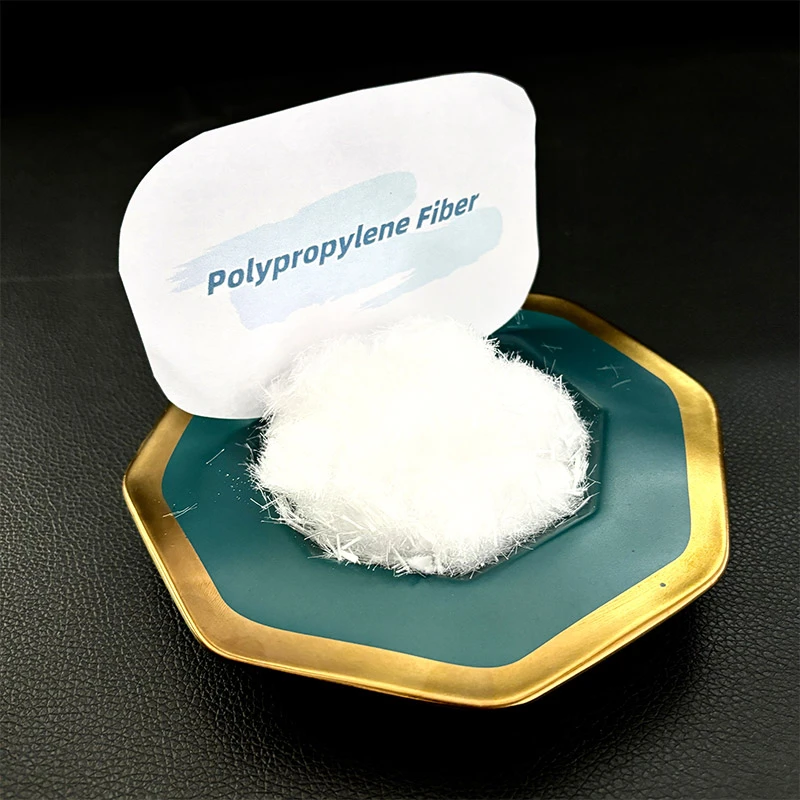



Understanding Polyolefin Fibers Properties, Applications, and Advantages Polyolefin fibers, derived from polyolefin resins, have become an integral part of various industries, ranging from textiles to automotive and construction. Polyolefins, primarily polyethylene (PE) and polypropylene (PP), are polymers characterized by their versatility, lightweight nature, and resistance to chemicals and moisture. This article delves into the properties, applications, and benefits of polyolefin fibers. Properties of Polyolefin Fibers Polyolefin fibers exhibit a range of properties that make them suitable for different applications. One of their most notable characteristics is their resistance to moisture and chemicals. Unlike natural fibers, polyolefin fibers do not absorb water, making them ideal for use in damp environments. This resistance also contributes to their longevity, as they are less prone to mildew and deterioration. Another significant property is their lightweight nature. Compared to other synthetic fibers, polyolefin fibers are less dense, which offers convenience and ease of handling, especially in textile applications. Furthermore, these fibers have excellent thermal stability, remaining effective across a broad temperature range. Their low melting point, however, requires careful handling during processing and manufacturing. Polyolefin fibers are also renowned for their tensile strength and flexibility. These attributes not only enhance their durability but also allow for a variety of weaving and knitting techniques, leading to diverse fabric textures and styles. Additionally, they exhibit colorfastness, which means that dyes and pigments adhere well to the fibers without fading over time—a crucial factor for textile manufacturers. Applications of Polyolefin Fibers The versatility of polyolefin fibers has led to their widespread adoption across various industries. In the textile sector, polyolefin fibers are commonly used to produce non-woven fabrics, geotextiles, and various clothing items. Their moisture-wicking properties make them particularly popular in activewear and athletic apparel, where breathability and comfort are paramount. fibre de polyoléfine In the automotive industry, polyolefin fibers are utilized in interior components such as seating, carpeting, and insulation. Their lightweight nature contributes to overall fuel efficiency, aligning with industry trends toward sustainability. Additionally, the fibers impart excellent sound insulation properties, leading to a quieter ride for passengers. Polyolefin fibers are also gaining traction in the construction sector. Their resistance to moisture and chemicals makes them ideal for applications in roofing, insulation, and protective coverings. Furthermore, the fibers can be incorporated into concrete to improve its tensile strength, durability, and resistance to cracking. Advantages of Polyolefin Fibers The advantages of using polyolefin fibers are numerous and compelling. First and foremost, they offer excellent cost-effectiveness. As one of the most produced synthetic fibers globally, polyolefins are readily available and can be manufactured at a lower cost compared to other materials. Additionally, the sustainability aspect of polyolefin fibers is gaining attention. While traditional plastics pose environmental concerns, the recycling and reuse potential of polyolefins can mitigate some of these issues. Many polyolefin products are now being designed with recyclability in mind, contributing to a more circular economy. Another significant advantage is the low maintenance required for polyolefin-based products. Fabrics made from these fibers are easy to clean, resistant to stains, and retain their original properties even after multiple washes. This reduces the need for harsh cleaning products, further supporting environmental sustainability. In conclusion, polyolefin fibers present a wealth of benefits that cater to various industries, from textiles to automotive and construction. Their unique properties, such as chemical and moisture resistance, lightweight nature, and long-term durability, make them an attractive option for manufacturers looking to innovate and optimize their products. As sustainability continues to gain importance in material selection, the role of polyolefin fibers is likely to expand, paving the way for more eco-friendly and efficient solutions in the future.
- 40000tons

Production
- 20+years

Experience
- 5000+㎡

Acreage

-
Glass filled polypropylene, commonly known as glass filled PP, is a marvel of modern engineering that brings a plethora of benefits across various industries. As a seasoned industry expert, I have seen firsthand how the incorporation of glass fibers into polypropylene matrices has transformed the durability and functionality of a range of products, making it a material of choice for numerous applications. In the realm of automotive manufacturing, glass filled PP has emerged as a driving force behind enhanced vehicle performance and durability. Its superior strength-to-weight ratio makes it an ideal substitute for heavier metals, contributing to significant weight reductions in vehicles. This not only improves fuel efficiency but also reduces carbon emissions, aligning with global sustainability goals. I have observed that automotive engineers often prefer glass filled PP for parts like front-end modules and under-the-hood components due to its exceptional thermal resistance and sound dampening properties. The packaging industry is another sector where glass filled polypropylene has made significant inroads. Its robust mechanical properties ensure that containers and packaging materials maintain their integrity even under extreme conditions. With the heightened focus on sustainable packaging solutions, glass filled PP offers an eco-friendly alternative that does not compromise on performance. My experience with leading packaging manufacturers has shown that switching to glass filled PP can lead to reduced material wastage and enhanced recyclability of products. In the electrical and electronics fields, glass filled PP has set new standards for efficiency and safety. Its excellent insulating properties and resistance to electrical conductivity make it ideal for housing electrical components. Additionally, its flame retardant capabilities provide an added layer of safety, crucial in the manufacturing of household appliances and consumer electronics. Industry specialists frequently refer to glass filled polypropylene as a game-changer for enhancing product longevity and reliability. The construction industry, too, has not been left behind in embracing the advantages of glass filled PP. This material has been instrumental in creating lightweight, yet robust construction materials, from piping systems to roofing components. Its resistance to chemical corrosion and moisture absorption makes it particularly suitable for use in extreme environmental conditions. During my consultations with construction firms, the feedback has been overwhelmingly positive, highlighting reduced maintenance costs and improved infrastructure resilience. glass filled pp From a technical perspective, the process of compounding glass fibers with polypropylene demands precision and expertise. The proportion of glass filler can be meticulously controlled to optimize the material's mechanical properties for specific applications. My collaborations with polymer scientists and engineers have underscored the importance of technology and precision in manufacturing these advanced composite materials. The true innovation of glass filled polypropylene lies not just in its structural benefits, but also in its versatility. This material can be tailored to meet a wide range of aesthetic and functional requirements, allowing for custom solutions that cater to specific industry needs. Its adaptability and ease of processing mean that manufacturers can create parts with intricate geometries and superior surface finishes, which are often required in both consumer and industrial applications. Trust in materials is pivotal across industries, and glass filled PP does not fall short in this respect. Reputable testing and certification processes bolster its credibility, providing assurance of its performance and compliance with industry standards. It is crucial for manufacturers to rely on certified suppliers to ensure the uniformity and quality of glass filled PP, which in turn maintains the integrity of the final products. My experiences with quality assurance specialists have shown that this reduces long-term liability and enhances consumer trust. In conclusion, the transformative impact of glass filled polypropylene cannot be overstated . Its innovative blend of strength, durability, and versatility offers a sustainable path forward across diverse sectors, from automotive to electronics and beyond. Embracing glass filled PP as a staple in product manufacturing is not just a step towards modernity but a commitment to progress and excellence. With a keen eye on emerging trends and technological advancements, industries can continue to leverage this material’s full potential, yielding products that are not only superior in performance but also aligned with the highest standards of quality and environmental responsibility.
-
Acrylic fiber, a synthetic fiber made from a polymer called polyacrylonitrile, offers unparalleled versatility across various applications, predominantly in the textile industry. Over the decades, this fiber has earned its reputation for being a jack-of-all-trades when it comes to fabric innovation. Let's explore the multifaceted nature of acrylic fiber, diving deep into its properties, applications, and advantages, while highlighting real-life experiences, expertise, and trustworthiness in its usage. Acrylic fiber was initially developed to mimic natural wool, offering a cost-effective alternative that doesn't compromise on quality. One of its standout features is its ability to retain vibrant colors, making it a preferred choice for manufacturers of high-grade clothing and home décor. Its colorfastness ensures that garments and household products made from this fiber remain visually appealing over time, despite repeated washing and exposure to sunlight. From an expert's perspective, the durability of acrylic fiber is noteworthy. Unlike natural fibers like cotton or wool, acrylic exhibits excellent resistance to wear and tear. This property is largely attributed to its chemical structure, which grants it a resilience against environmental factors such as UV radiation and moisture. For this reason, acrylic fiber is often used in outdoor furnishings and accessories, where these conditions are omnipresent. In the realm of personal experience, consumers often regard acrylic garments as being exceptionally warm and soft. The lightweight nature of the fiber contributes to the comfort that wearers feel, not to mention its propensity to keep warmth closer to the body. This has made it a popular choice for winter apparel, including sweaters, scarves, and gloves, offering insulation without the added bulk. Acrylic fiber also stands out for its low maintenance requirements . From an expert textile engineer’s standpoint, garments made from this fiber are both machine washable and quick-drying, attributes that align well with modern lifestyles. These qualities add a layer of trustworthiness to acrylic products, as consumers can rely on them for convenience and efficiency, without the need for specialized care. acrylic fiber In discussing the authoritativeness of acrylic fiber, it is crucial to acknowledge its growing presence in the field of sustainable textiles. Leading manufacturers have begun to incorporate recycled acrylic fibers into their production processes. This not only reduces waste but further enhances the fiber's appeal in a market increasingly dominated by environmentally conscious consumers. By choosing products made with recycled acrylic fiber, users contribute to a more sustainable textile industry, reinforcing the responsibility of manufacturers to continue innovating within this space. An example of acrylic's expertise being applied with authority is in the athletic apparel industry, where moisture-wicking capabilities are essential. Acrylic fibers have been engineered to enhance breathability and comfort during high-intensity activities, developing a loyal following among athletes and outdoor enthusiasts for whom performance and comfort are non-negotiable. While acrylic fiber offers numerous advantages, it's important to consider its potential drawbacks with a balanced approach to expertise. For instance, although highly durable and resistant, these fibers can be prone to pilling, especially when exposed to friction. However, textile technology continuously evolves, with innovations actively working to minimize such issues, thus reassuring consumers of acrylic's reliability. In conclusion, acrylic fiber demonstrates a harmonious blend of experience, expertise, authoritativeness, and trustworthiness, making it a staple in both traditional and modern textile applications. Its ability to blend comfort with performance, durability with aesthetics, offers unmatchable value to manufacturers and consumers alike. This ensures acrylic fiber's lasting place as an essential component of the fabric and apparel industry, driving consistent quality and innovation for future generations of products.
advantages
-

200000 Viscosities
Excellent product
We can produce pure products up to 200,000 viscosities
-

40000 tons
High yield
We don’t stop production all year round, and the annual output can reach 40,000 tons
-

24 hours
Quality service
We provide 24-hours online reception service, welcome to consult at any time
———— Inquiry Form
Schedule A services

-
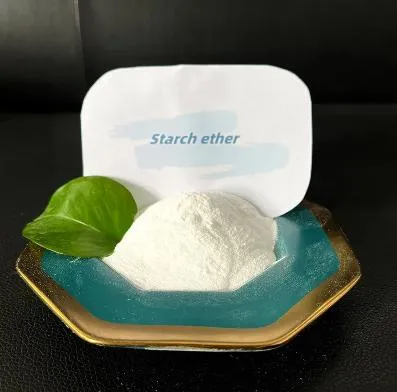 hydroxypropyl_distarch_phosphate
Oct . 25, 2025
The increasing prevalence of digital device usage and environmental pollutants has led to a rise in -
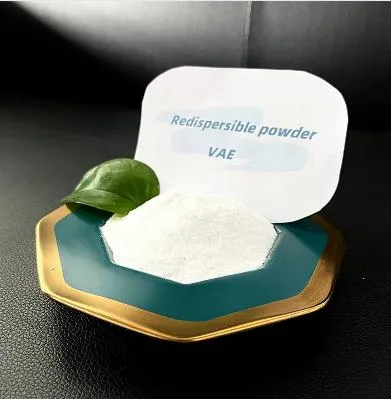 polypropylene_fiber_characteristics
Oct . 25, 2025
Starch derivatives are gaining significant traction in various industries due to their versatile app - hpmc_e15_lv
Oct . 25, 2025
Exploring the molecular weight of hydroxypropyl methylcellulose (HPMC) unveils a nuanced aspect ofte


